How to Choose a Group Dive Trip When You Travel Solo
You’ve found a dive trip that makes you want to dig your fins out of the cupboard. Now you’re wondering what it would be like to join a group you’ve never met.
Maybe your usual buddy can’t come. Maybe you fancy meeting people who get just as excited about a tiny nudibranch as you do. Either way, the idea of sharing the boat, the dives and the conversations afterwards has your attention.
Then come the practical questions. Who’s going? What’s the diving like? Who would I share a room with? And does that price cover the whole trip, or just the part in very large letters?
Those are good questions. The answers will tell you far more about whether a trip fits you than another beautiful underwater video. So, before the fins go into the suitcase, let’s look at what matters.
Dive Trips for Singles: Is a Group Trip Right for You?
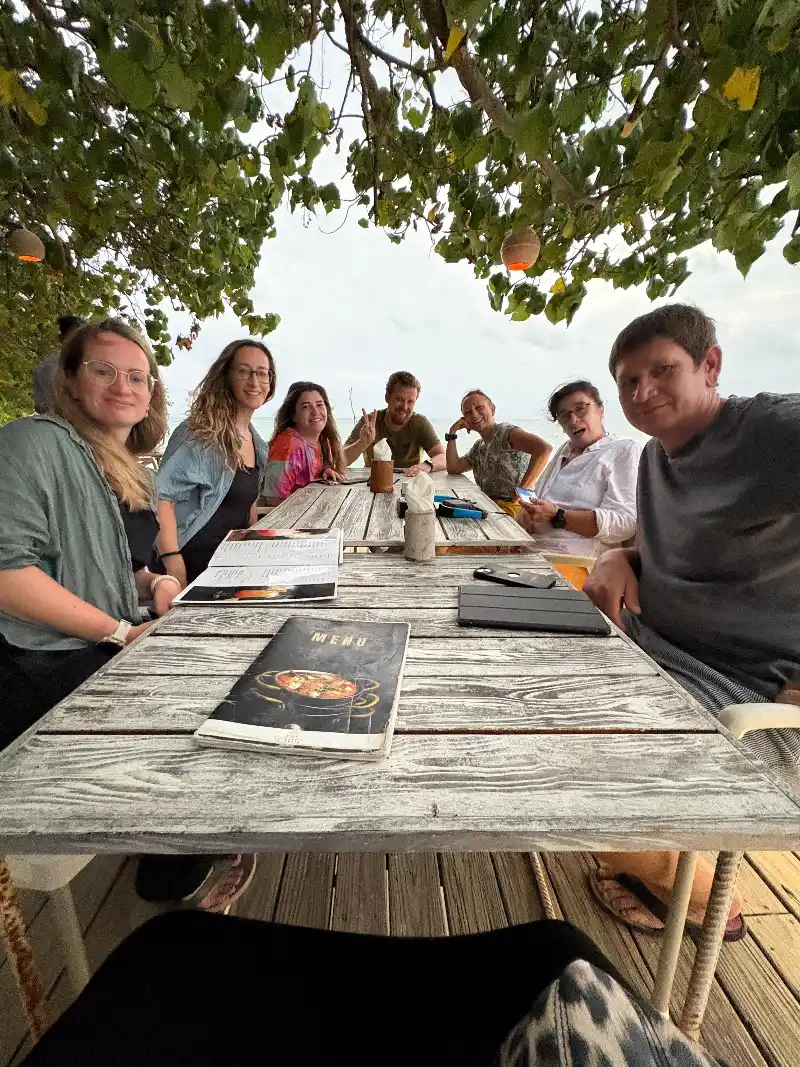
First, a small translation. “Singles” here means people joining without a travel companion. You can be married, partnered or happily single. Your relationship status has very little to do with wanting a week of good diving.
And travelling “solo” means arriving without your own companion, not diving underwater without a buddy. This guide is for certified divers choosing a trip.
What matters is how the group works. A trip can be based on land, move between locations or take place on a liveaboard. Are you joining an organised group with a shared itinerary, or booking a room or cabin alongside other guests? Does the trip welcome couples and friends as well as people travelling on their own?
Think about the bits you want to share. Meals, surface intervals, comparing photos after a dive and the evenings afterwards. You might also want some time to yourself. A useful trip description should help you picture those days, whether you are staying in a hotel or sleeping on the boat.
Does the Diving Match Your Experience?
Certification, Recent Experience and Dive Conditions
A destination can look incredible on your screen and involve diving you don’t particularly enjoy. Perhaps you love taking your time on a shallow reef. Perhaps you’re comfortable in currents and happy looking out into the blue. That difference belongs in the conversation before you book.
Your certification is a starting point. So are your logged dives. Neither tells the whole story about the conditions you know or how recently you’ve been underwater.
Tell the dive operator what you’re used to, when you last dived and what still makes you hesitate. Get specific about expected depths, currents, visibility, entries and exits, and any training or equipment requirements.
If your gear has had a longer holiday than you have, discuss preparation with a qualified dive professional. DAN’s return-to-diving guidance recommends reviewing skills, equipment, health and fitness, as well as travel plans.
You want a clear explanation of how the diving fits your current experience. “You’ll be fine” doesn’t give you much to work with.
Number of Dives, Daily Schedule and Time to Rest
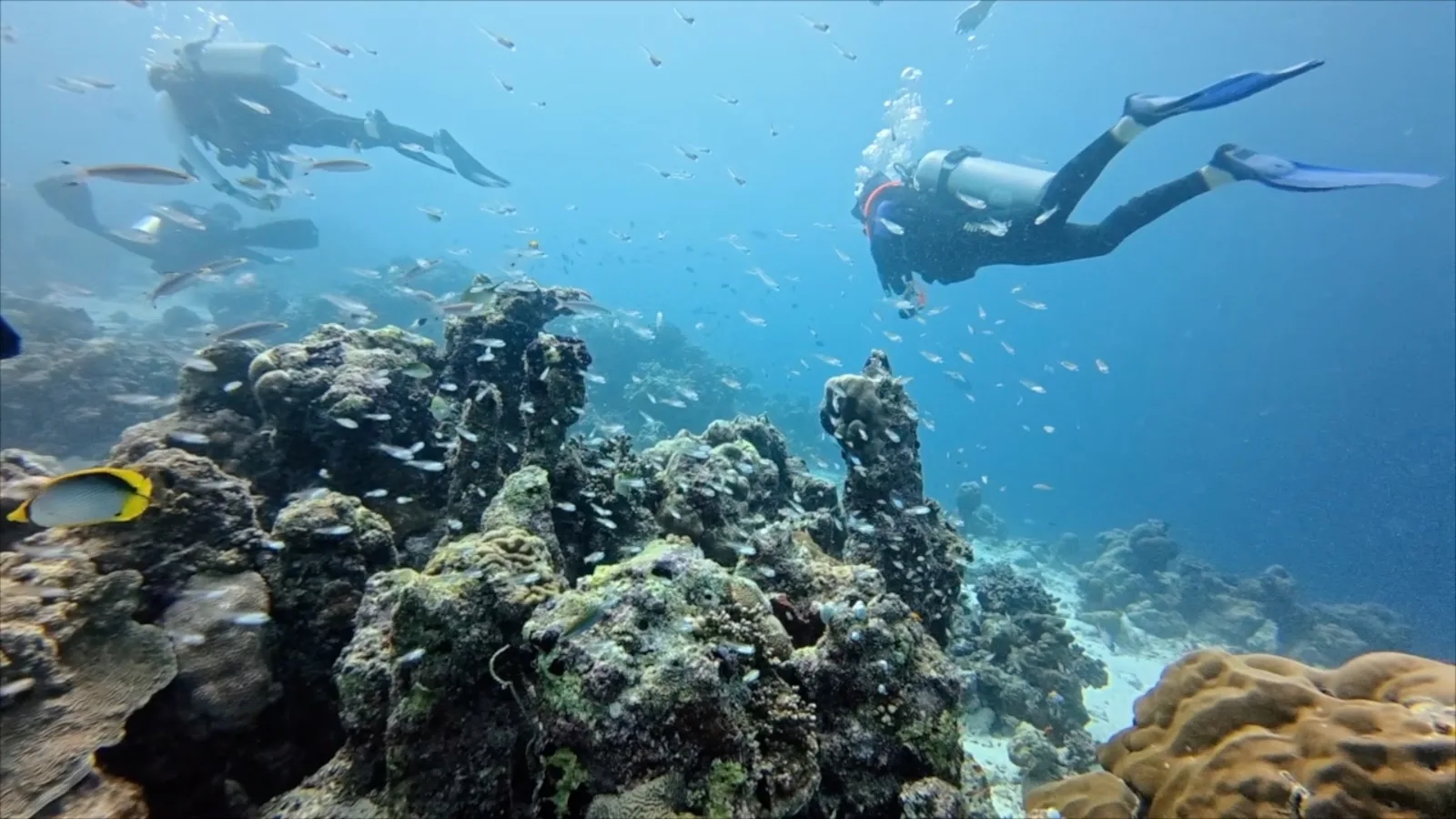
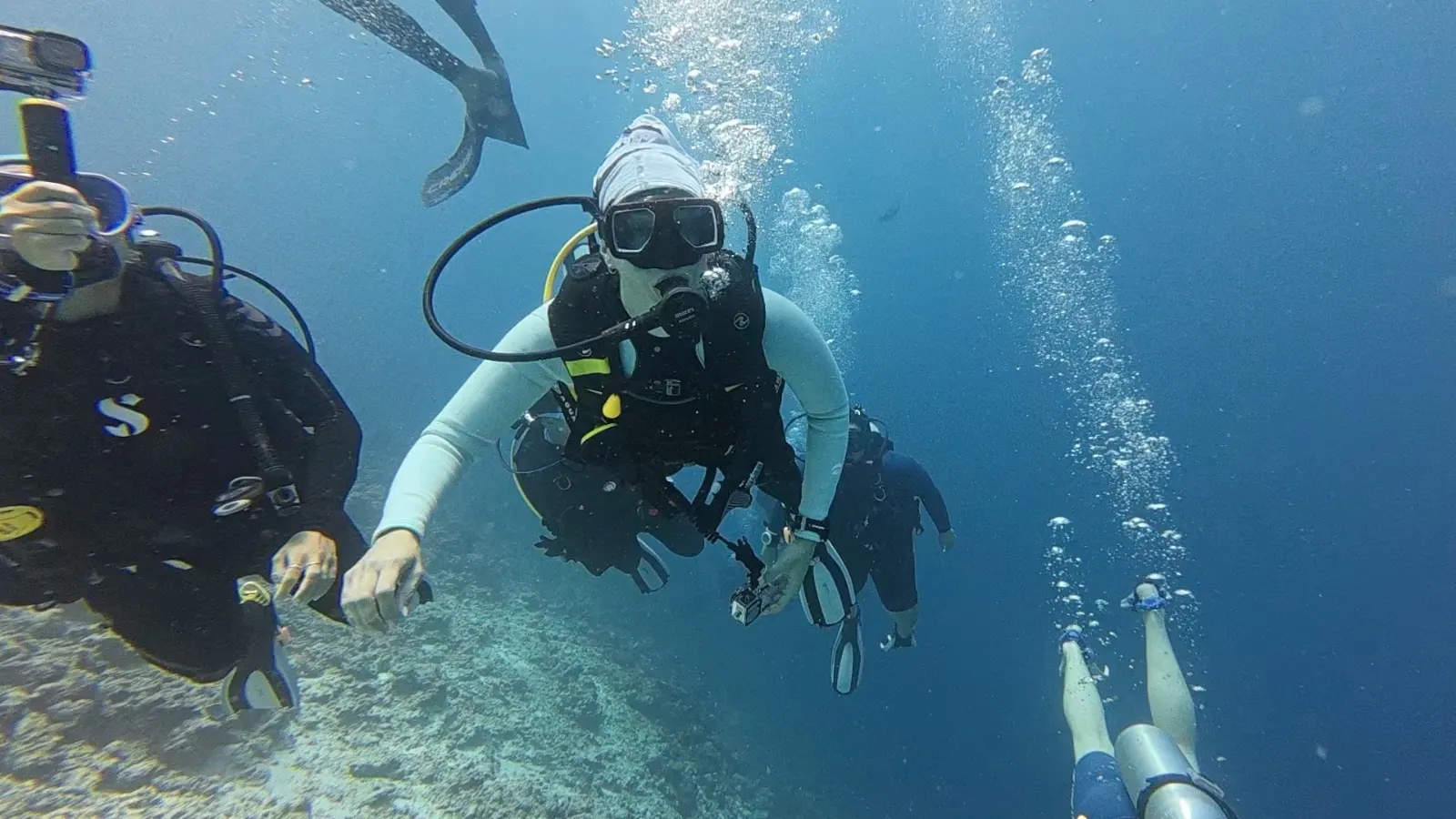
A big number of dives can look very tempting. Until you realise the schedule leaves barely enough time to eat, dry your towel and enjoy the place you have travelled to. That applies whether your towel is hanging outside a hotel room or on the boat deck.
Ask what a normal day involves: wake-up times, dives, meals, surface intervals and time to rest.
On a land-based trip, look at boat journeys and transfers too.
On a liveaboard, ask how the diving and sailing fit together, including any night dives or early starts. You want to understand the daily rhythm before committing to it.
Find out what happens if you skip a dive and whether you would lose a prepaid one. With a day boat, can you stay at the accommodation, or do you still spend the day aboard? On a liveaboard, what options do you have while others are diving? Also ask how changes to the advertised programme are handled.
You’re choosing a holiday you’ll actually live through. The rhythm deserves as much attention as the dive sites.
Who Will You Be Travelling With?
Group Size, Ages, Nationalities and Language
“Who else is going?” is a very reasonable question. You’ll be sharing more than a boat ladder.
At The Ocean Explorers, ages and nationalities are questions we receive from people joining without a companion. Ask the organiser what they can tell you about the confirmed group, its planned size, and whether the coordinator is counted in that number.
The group may still be taking shape. Information about previous departures can give you some context, but it isn’t a description of the people booked on yours.
Language matters too. Which language is used in the group? What about dive briefings? You need to understand the practical information, even if the dinner table ends up involving several languages and a little help from everyone’s hands.
Age and nationality can be interesting. They won’t tell you whether someone likes a quiet evening, an early night or a long conversation about the fish nobody else noticed.

Shared Activities, Free Time and Group Expectations
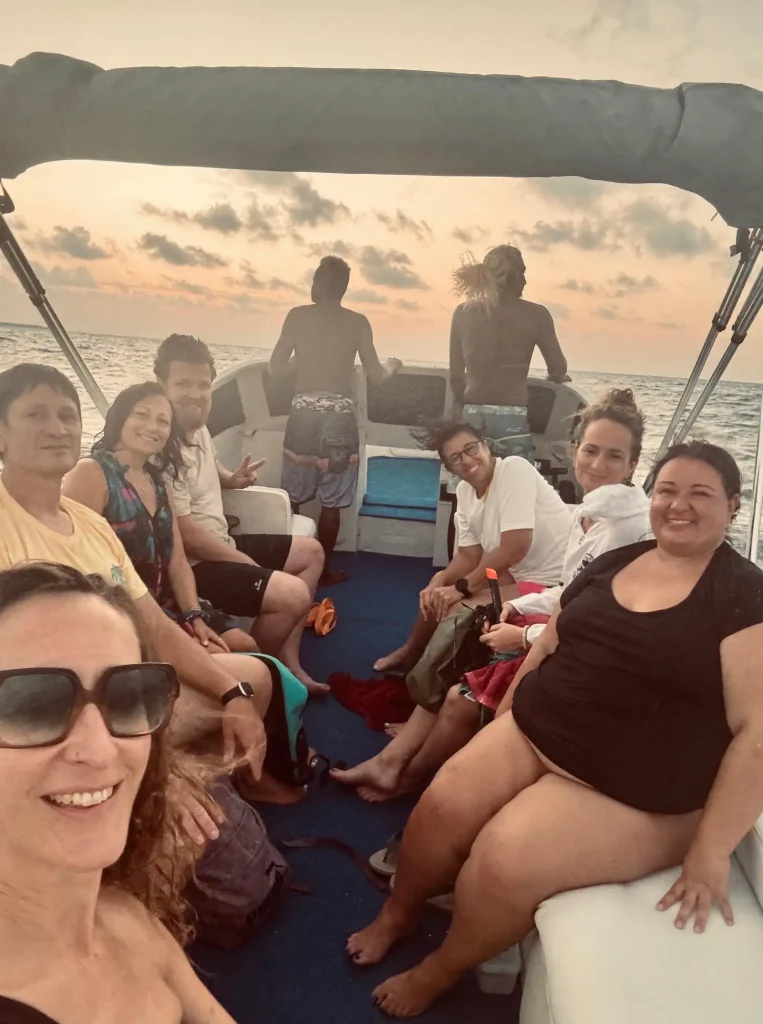
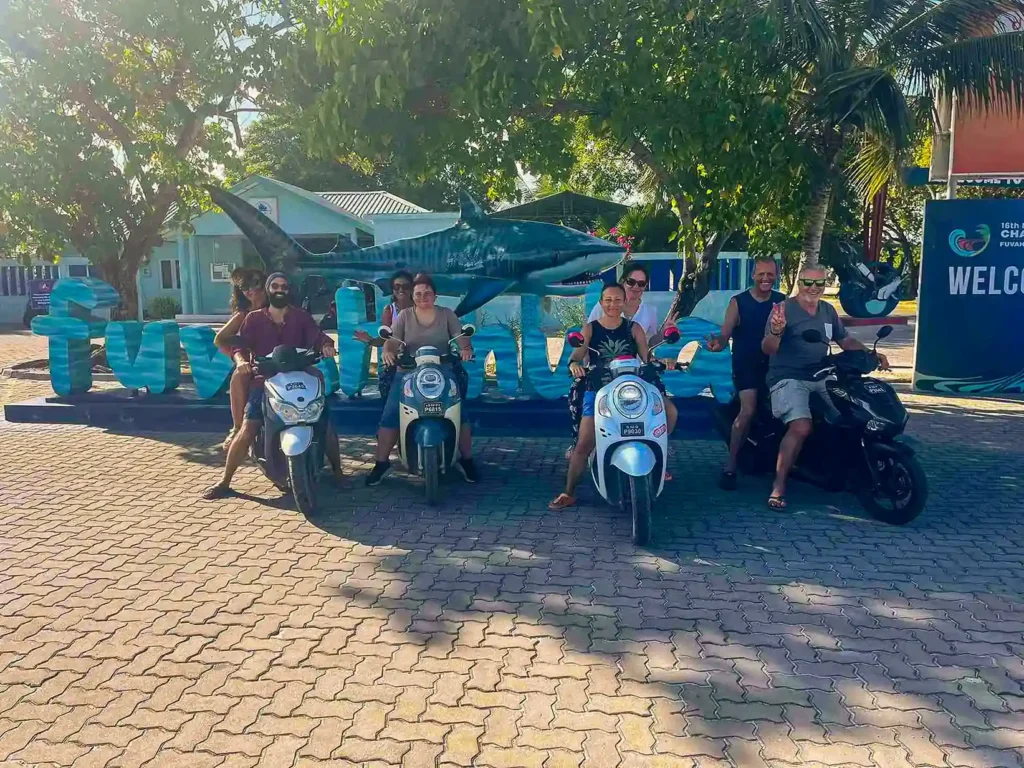
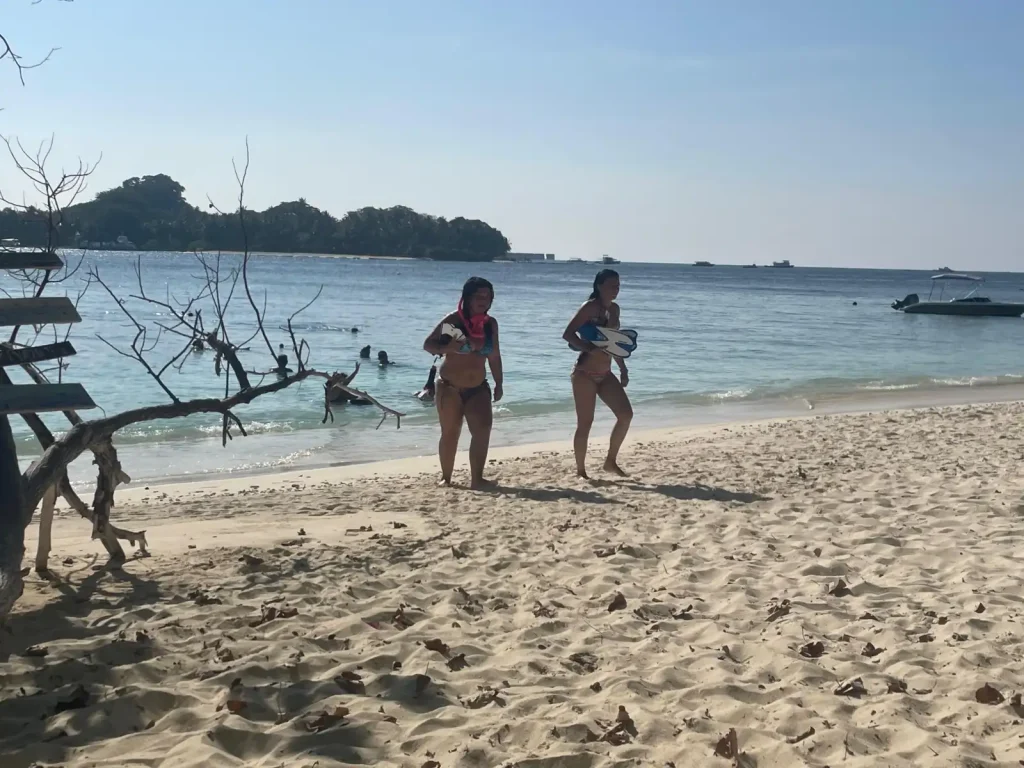
Some people want to do almost everything together. Others enjoy company and also need a bit of space. That matters whether you are sharing a breakfast table in a hotel or spending several days aboard the same boat.
Look at which meals and activities are part of the plan and which are optional. With accommodation on land, ask where you can explore or eat independently. On a liveaboard, find out about shared spaces, places to relax quietly and any planned shore visits. Free time can mean an afternoon in town or a book on the deck. Think about which version you would enjoy.
Being part of a group also means being ready when the boat leaves, looking after shared spaces and saying something when you need help or a change. Consider whether the way the organiser describes group life suits you.
At The Ocean Explorers, we talk before confirming someone’s place. We discuss diving experience, what they’re hoping to get from the trip and how they approach sharing it with other people. It’s a chance for both sides to see whether the trip makes sense, rather than deciding from a destination and a free date alone.
How Are Rooms, Cabins and Dive Buddies Organised?
Shared Rooms or Cabins, Preferences and Private Options
You can love spending the day with other divers and still care very much about where you sleep. That might be a hotel room, a guesthouse or a liveaboard cabin.
A shared room or cabin needs a little more detail. Separate beds or bunks? How much space is there for your belongings? Is the bathroom private or shared? When are roommates decided, and can you express a preference? Ask how any problems with a room-sharing arrangement would be handled.
If you want a private room or cabin, confirm availability and the full supplement before committing. A listed option does not tell you whether one is available for your departure. On a liveaboard, also ask about the cabin category and location: make sure you are comparing the accommodation you would actually book.
If you’re happy to share a room or cabin, ask what happens if there’s nobody to share with. Would you have to pay a single supplement?
How Dive Buddies and Dive Groups Are Assigned
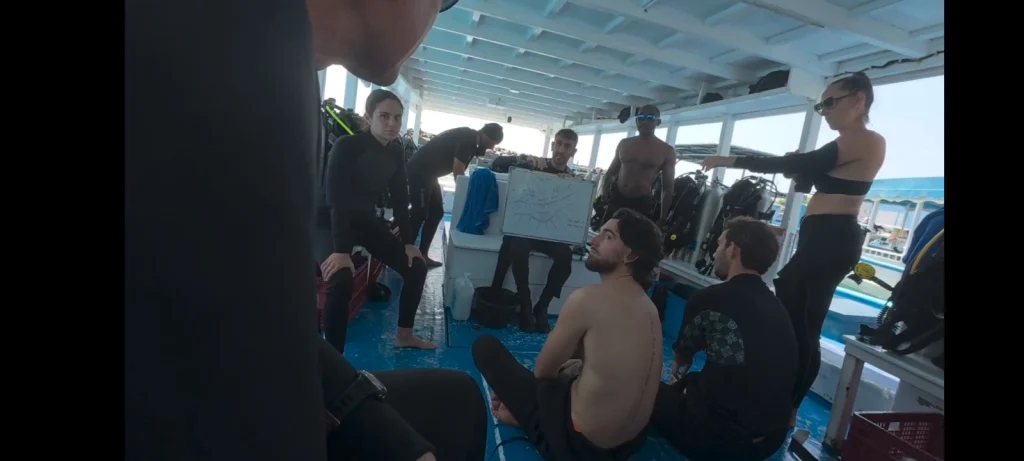
The person you share a room or cabin with might be lovely company at dinner and have completely different interests underwater. Sharing accommodation and being dive buddies are separate arrangements.
Find out how the dive operator forms pairs and groups, who leads the dives and whom to speak to if you’re uncomfortable with a pairing. On our trips, arrangements in the water depend on divers’ levels and the centre’s instructors.
Mention what you enjoy doing underwater too. Spending time on photographs and moving steadily around a reef can mean different things to different divers.
Once you’re paired, take time to discuss the dive and check equipment together. DAN’s advice on buddy communication emphasises agreeing the plan, reviewing signals and knowing each other’s equipment. Having shared a few laughs on the boat is a good start to getting acquainted. There’s still a dive to plan.
Being part of a group also means being ready when the boat leaves, looking after shared spaces and saying something when you need help or a change. Consider whether the way the organiser describes group life suits you.
At The Ocean Explorers, we talk before confirming someone’s place. We discuss diving experience, what they’re hoping to get from the trip and how they approach sharing it with other people. It’s a chance for both sides to see whether the trip makes sense, rather than deciding from a destination and a free date alone.
What Is the Total Cost, and What Are the Booking Conditions?
What the Price Covers and Who You Pay
The big price at the top of the page is only useful once you know what sits behind it.
Accommodation, diving, meals, transfers, flights, equipment, coordination: which parts does the price cover?
On a liveaboard, check the cabin category, meals and what is included in the diving programme. Are the amounts fixed or estimated, and are taxes, park fees and other local charges accounted for?
Then look at who receives each payment and when. You should be able to follow the money without piecing it together from three emails and a screenshot.
At The Ocean Explorers, you pay us for design, coordination, preparation and accompaniment. You contract and pay for third-party travel services directly with the relevant providers. Our Maldives dive trip page explains those parts separately: our service, the local trip budget and flights.
Before buying flights, establish when the departure is confirmed. Read what happens if the minimum group isn’t reached, if you cancel or if the organiser cancels. Those conditions belong in your decision while you still have options.
Single Supplements and Other Additional Costs
A private room or cabin supplement can change the budget quite quickly. Get the amount for the full stay and find out what happens if nobody is available to share with you.
Then add the things you expect to pay separately: meals or drinks, rental equipment, optional activities, dive upgrades, insurance, travel to the meeting point and personal spending.
For a liveaboard, ask about port or park fees, fuel surcharges and any other charges listed outside the advertised price.
Establish which are compulsory and which are optional; do not assume they apply to every boat. If you are paying in different currencies, allow for exchange rates and payment fees.
You may be perfectly happy paying more for your own room, or spending extra on an activity you really want to do. The point is to choose with the whole budget in front of you.
An itemised breakdown lets you compare trips fairly. Otherwise, the cheapest-looking option might simply be the one that leaves the most costs for later.
Find out what happens if you skip a dive and whether you would lose a prepaid one. With a day boat, can you stay at the accommodation, or do you still spend the day aboard? On a liveaboard, what options do you have while others are diving? Also ask how changes to the advertised programme are handled.
You’re choosing a holiday you’ll actually live through. The rhythm deserves as much attention as the dive sites.
Before You Book: A Group Dive Trip Checklist
Put your options side by side and give each question an honest answer. A question mark means there’s still something to discuss.
Then go back to what caught your attention in the first place. The diving you want to do. The people you’d like to meet. The kind of days you want to share.
If the practical answers fit too, you’ve got much more to go on than a beautiful video. You can decide whether this is a group you want to join.
Find Your Kind of Group Dive Trip

A good fit is a trip where you can picture yourself enjoying the whole day: the diving, the surface intervals, the meals and the time in between. That matters whether you’re staying on land or waking up in a liveaboard cabin.
Your usual buddy might be staying home, or you might simply feel like meeting a new group of divers. Both are good reasons to go.
Ask the questions that matter to you, be open about your experience and expectations, and choose a trip that suits the way you want to dive and travel.
Then comes the part you’ve been looking forward to: packing your fins and thinking about the next dive.
Ready for a group dive trip? Take a look at our trips and find one that fits you.