Maldives Dive Trip Planning: How to Plan It Step by Step
You open one tab to check a flight. Forty minutes later you have eleven tabs, three monsoon charts and a strong opinion about manta rays.
A Maldives dive trip is easy to start dreaming about and surprisingly easy to plan in the wrong order. You pick a month, then find out the animals you wanted are somewhere else. You book a resort, then realise you wanted a boat. Or you fall for an atoll before asking whether the diving suits you.
This guide puts the decisions in an order that works: what you want to dive, the season, the type of base, the atolls, your own diving fit and the practical details. We wrote it diver to diver, for certified divers who are already thinking seriously about the Maldives.
One thing before we start. No guide can promise you a particular animal on a particular day, and this one won’t try. The Maldives gives you good odds in the right places and seasons. But it doesn’t give guarantees, and that is part of what makes a sighting worth it.
First, what do you actually want to dive?
Before you open a calendar, write it down. The answer decides almost everything else.
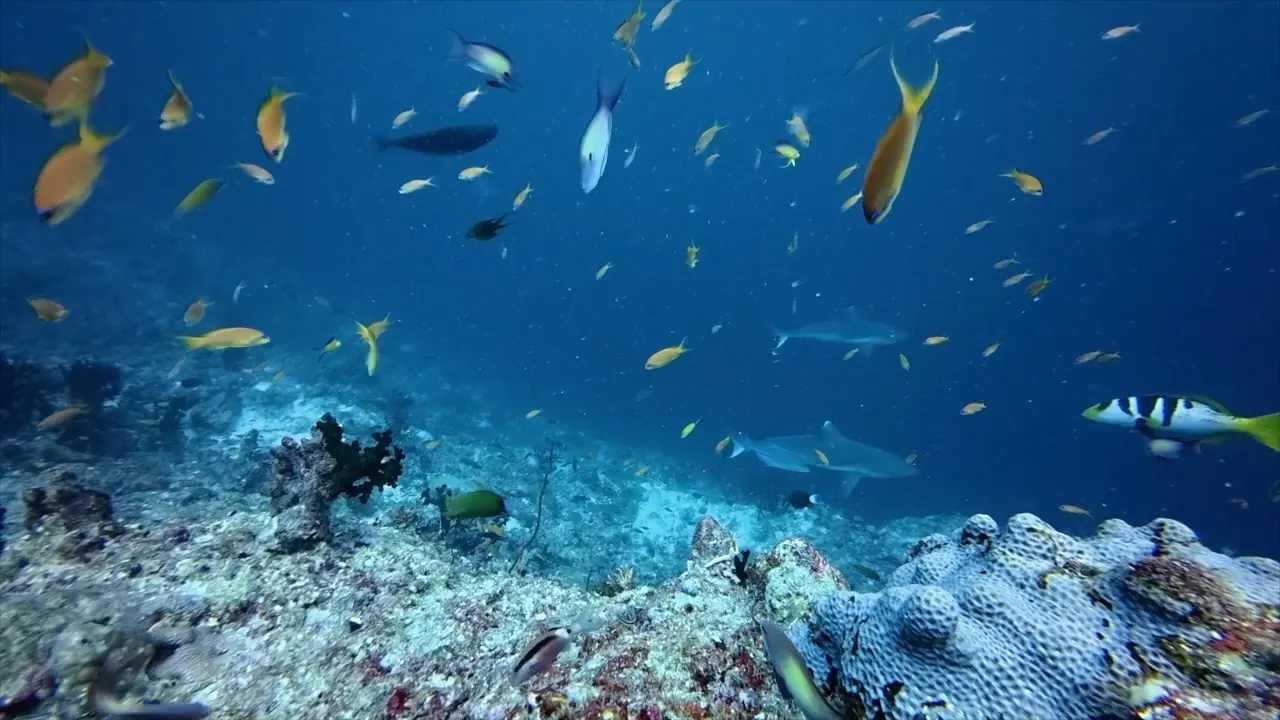
Most divers lean towards one or two of these:
Be honest about the order. If mantas come first and sharks are a bonus, you plan differently from someone who wants sharks first. Keep your short list somewhere visible. We’ll keep coming back to it.
Pick your season (and know what it can’t promise)
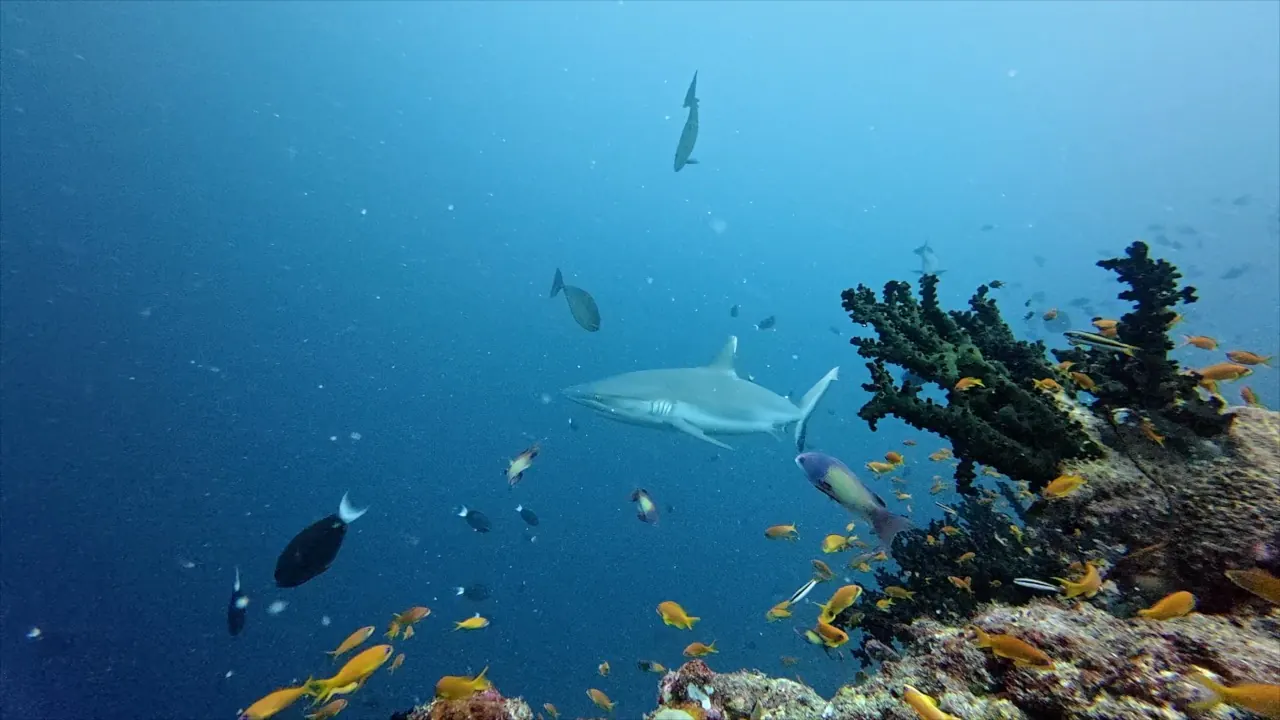
The Maldives has two monsoons. Broadly, the north-east monsoon runs from about December to March and the south-west monsoon from about May to October, with transition months in between. For divers, this matters because the monsoon changes the direction of the currents and the plankton, and with them where animals tend to gather. The Manta Trust describes this seasonal switch in its work on the country’s manta rays.
Research on reef mantas in the Maldives points to a pattern: feeding and cleaning activity tends to follow the plankton, which shifts to different sides of an atoll as the monsoon changes. That is a pattern across many seasons. But it is not a promise for the dive you are booking.
So there is no single best month. There is a best month for what you want to see, and even then it comes with probability, not certainty. Also, visibility, sea state and animal activity change from week to week, and a great season can still give you a quiet dive.
When you compare sources, be wary of the word “guaranteed”. A better question is: in the months I can travel, in the atoll I like, what is likely and what is less likely?
Liveaboard, resort or local island: pick your base
There are three main ways to base yourself, and none wins in every case. Compare them on what matters to you.
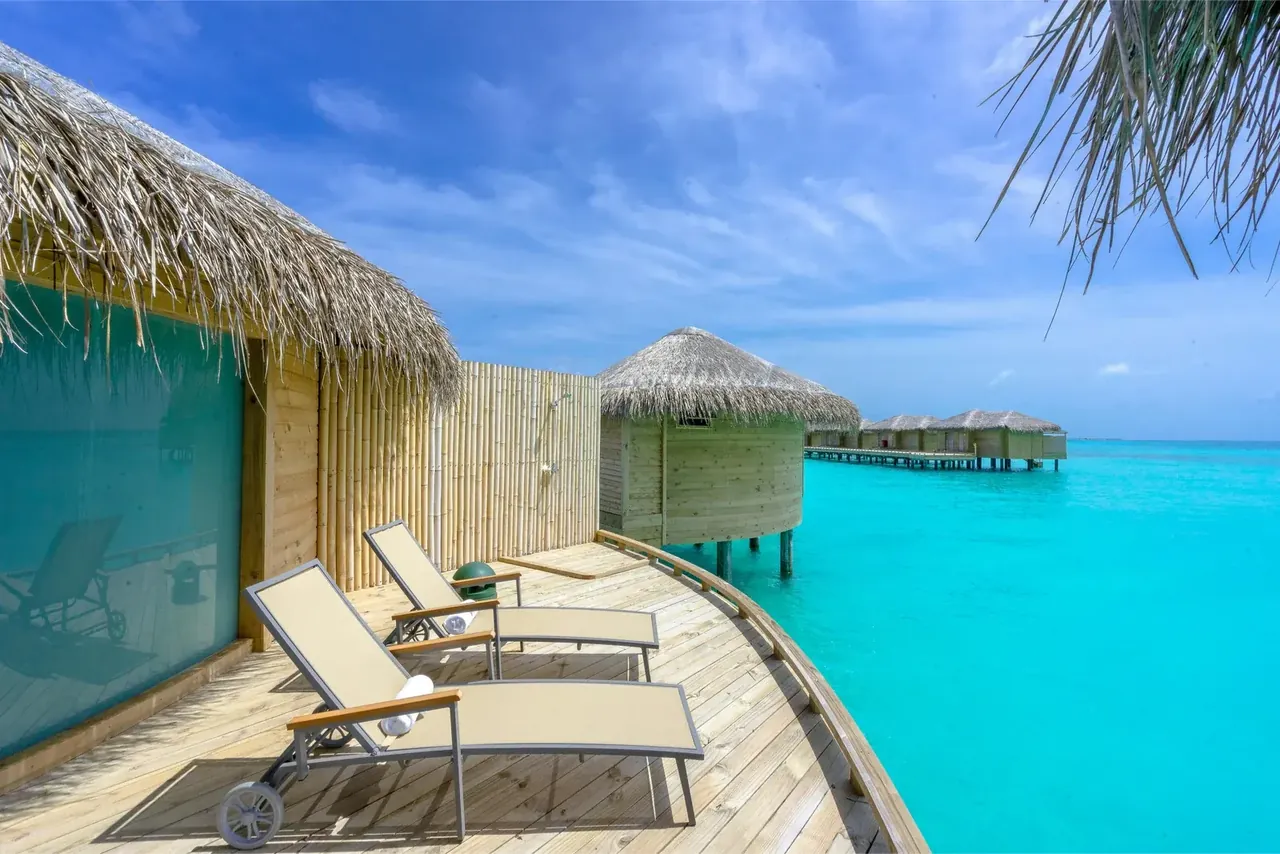
Criterion | Liveaboard | Dive resort | Local island guesthouse |
|---|---|---|---|
Dive access | Many sites over several atolls; the boat moves to the dive | Sites near the resort; daily boat trips | Sites near the island; daily boat trips |
Time on land | Little | A lot, on a resort island | Some, with a real local island to walk around |
Flexibility | Fixed route and schedule | Easy to adjust | Easy to adjust |
Non-diving companions | Can feel limiting | Easy | Easy, with a different cultural setting |
Atmosphere | Dive-focused, very social | Relaxed, hotel-style | Local life, small and informal |
What to check | Route, dives per day, cabin type | Dive centre, house reef, boat times | Dive centre, accommodation, local rules |
In short: a liveaboard suits you if you want the most diving and the widest range of sites, and you’re happy living on a boat. A resort suits you if you want comfort and flexibility, or you travel with someone who doesn’t dive. A local island suits you if you like a smaller, more local setting and simpler accommodation.
Whichever you choose, ask each operator what’s included before you compare costs. In fact, it changes more than you’d think from one to the next.
Choose your atolls
The Maldives is a long chain of atolls, and where you go shapes what you can dive. As a rough guide:
Two places deserve a closer look.
Rasdhoo
Rasdhoo, in Alif Alif (North Ari) Atoll, is a small inhabited island with a village feel. Several dive centres work from the island, most of them PADI or SSI, and the resort island of Kuramathi next door has its own dive club. That’s a real choice of operators, group sizes and styles, so compare them instead of assuming they are all the same. Some channel dives near the island can have strong currents and operators describe them as advanced-level sites, while others in the atoll are gentler. It’s a good example of a local-island base.
Fuvahmulah
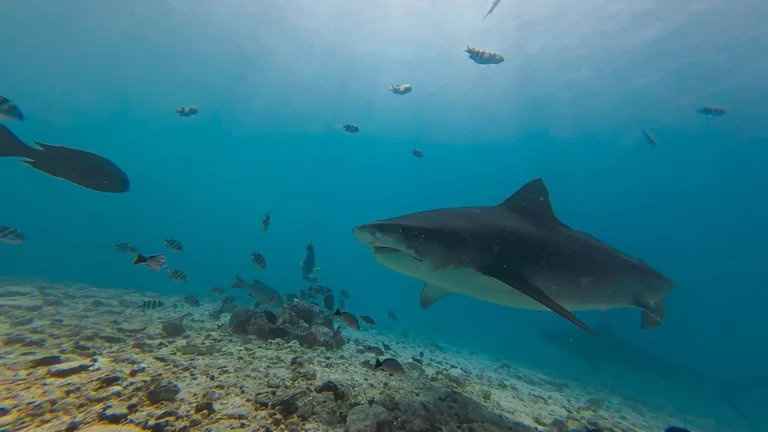
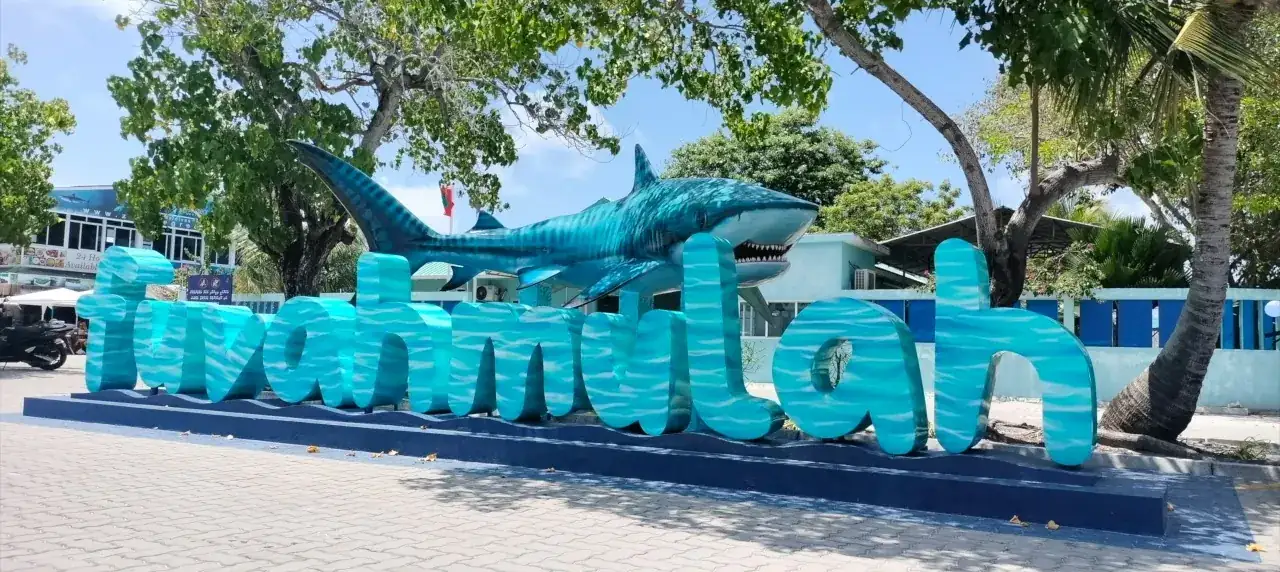
Fuvahmulah, a single-island atoll far to the south, is famous for its tiger sharks and other big pelagics. So it is a very different trip from a typical central-atoll week. Currents can be moderate to strong at some sites, and operators often recommend an advanced certification for the deeper pelagic dives. Conditions also change with the time of year, so check your specific dates with an operator.
Hanifaru Bay
Hanifaru Bay, in Baa Atoll, often comes up in planning because of its large manta gatherings. However, it is a marine protected area where scuba diving is not allowed. Visitors can snorkel there under managed access, according to Visit Maldives, the national tourism board. If mantas are your priority, dive other sites in the atoll and snorkel Hanifaru separately.
If you’d like to see how these ideas fit together in one trip, The Ocean Explorers runs a small-group trip that combines Rasdhoo and Fuvahmulah, using local guesthouses. That said, it’s one way to do it, not the only way. You can see it on our Maldives dive trip page.
Check your diving fit (be honest, nobody’s marking you)
A certification card shows what you trained to do. But it doesn’t tell you how you feel about a current, a drift dive or open water with no wall to hold on to. Also, many Maldives sites involve some current, and drift diving is common in the channels.
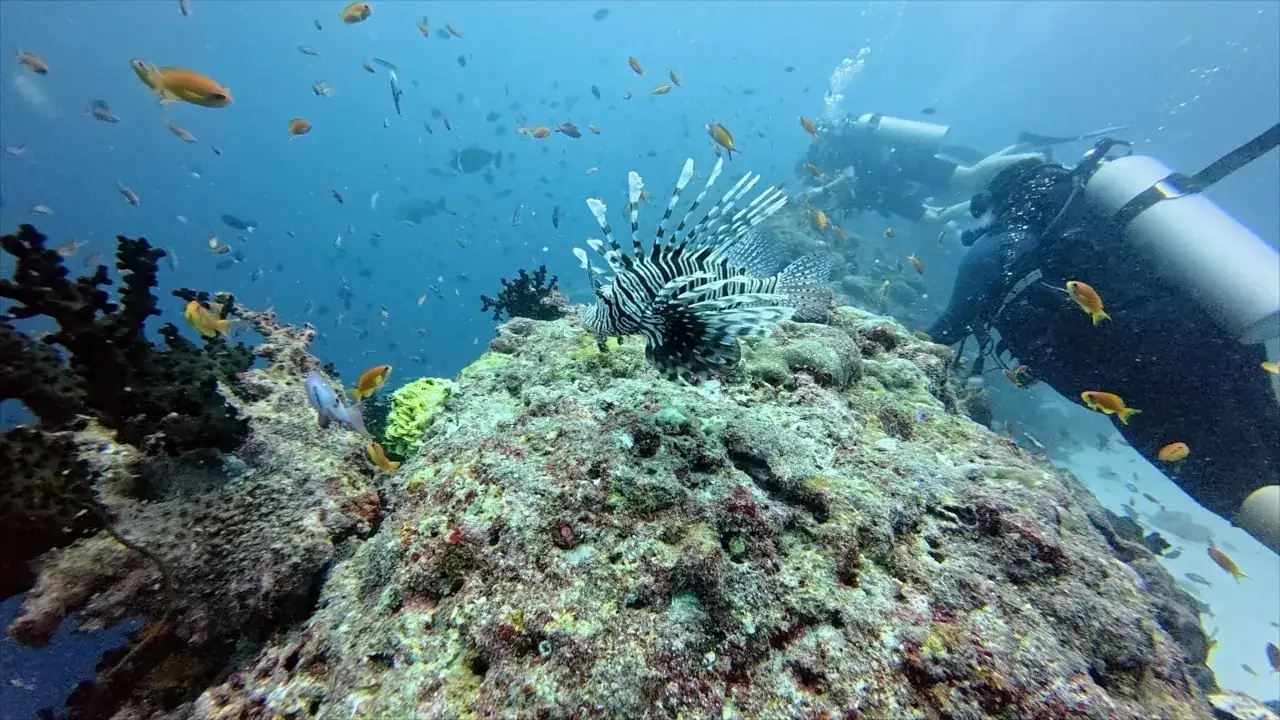
Before you commit, ask yourself a few direct questions:
Then ask the operator. Good questions: how do they brief currents, how do they choose sites on the day, what happens if conditions are stronger than expected, and do they offer easier alternatives? A good operator answers plainly. If you’ve been out of the water for a while, say so, and consider a refresher with an instructor before you travel.
That said, there is no magic number of dives that makes you ready. What matters is that the trip matches your experience and that you’re honest with yourself and with the operator.
What drives the cost
We’re not giving prices here. They change with the season, the base and what you choose. What you can do is understand what moves the total, so you compare like with like.
The main drivers:
When you compare two offers, ask what each includes and which items you pay locally. Third-party operators provide accommodation, dives and transfers, and you usually pay them directly. If a price looks very low, find out what’s missing.
What to bring (and what to ask before you pack)
Many dive centres in the Maldives rent equipment, so you don’t have to carry everything. What you bring depends on how much you love your own gear and how much luggage you’re willing to drag onto a small boat.
Things divers commonly bring themselves:
Things to check with the operator:
If you’re staying on a local island, also pack:
If you want to fly a drone, check the rules with your guesthouse or resort first. Some areas need permits, and many resorts ban or limit drones.
The boring-but-important logistics
Entry and customs
Entry to the country. You don’t need to apply for a visa in advance. On arrival, you get a free tourist visa of up to 30 days, and you can extend it through Maldives Immigration if you need longer. You must also submit the free online Traveller Declaration (IMUGA) within 96 hours before you arrive. Also, a declaration filed earlier than that isn’t valid, and each traveller needs their own, children included.
Under the official rules, your passport needs at least one month of validity on arrival, and immigration may ask for a confirmed return ticket, a prepaid booking at a registered accommodation and proof of sufficient funds. Airlines and transit countries can ask for more, so check those too.
If you arrive from, or have recently travelled through, a country with a risk of yellow fever transmission, you must present a valid yellow fever vaccination certificate. Children under one are exempt.
You don’t need a declaration to leave: the Maldives removed it for departing travellers in August 2024. Rules change, so confirm everything on the official immigration site close to your travel date.
What you can’t bring in. Alcohol, pork products, narcotics, vapes and e-cigarettes (banned since November 2024), religious idols, material considered offensive to Islam and pornographic material are not allowed, and they are confiscated at the airport. Don’t buy alcohol at duty-free on your way, because customs will take it on arrival. You can, however, carry personal medication, ideally in its original packaging with a copy of the prescription. If you’re unsure about an item, ask Maldives Customs before you fly.
Transfers, insurance and flying home
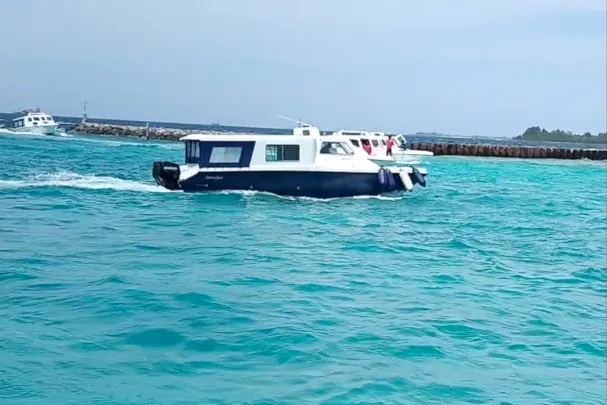
Getting from Malé to your base. Most trips start at Velana International Airport. From there you may take a speedboat, a domestic flight, a ferry or a transfer to a liveaboard. Ask your operator how long it takes and what the schedule looks like, because it can affect your first and last day.
Insurance. Look for travel insurance that covers diving, and dive accident cover if you don’t already have it. Read which depth limits and activities it covers.
Flying after diving. The Divers Alert Network (DAN) guidance is to wait at least 12 hours after a single no-decompression dive and at least 18 hours after multiple dives or several days of diving. Still, many divers choose 24 hours to be more cautious. So plan your last dive day with this in mind, and keep your flight time in view when you book.
Money, culture and local rules
The Maldives is a Muslim country, and what you can and can’t do depends a lot on where you stay. Resort islands cater to visitors and have relaxed rules. On the other hand, local islands, where people live, follow Maldivian customs and law. If your trip includes a local island, read this section before you pack.
Money
Religion and daily life
Islam is the state religion, and it shapes daily life on local islands. For example, you’ll hear the call to prayer five times a day. Friday is the holy day: many shops close for a while around midday prayers, and ferry schedules are reduced. The weekend is Friday and Saturday.
A few habits go a long way:
What to wear
Alcohol and food
Alcohol is illegal to sell, buy or drink on inhabited islands, so guesthouses can’t serve it. It is available at licensed resorts and on licensed liveaboards. Some local-island visitors use a floating bar moored offshore. Pork isn’t available outside resorts. If a beer after the dive matters to you, factor that into the base you choose.
Ramadan
Ramadan moves about eleven days earlier each year. In 2027 it should run from around 8 February to around 8 March, with the exact dates set by moon sighting. Resorts largely carry on as usual. On local islands, daytime restaurants close, public eating and drinking in daylight is avoided, business hours are shorter, and ferry and speedboat schedules can change. Guesthouses still feed their guests. Ask your guesthouse and dive centre how Ramadan affects meals and boat times, and be discreet about eating and drinking in public.
A planning order that works
The order below follows what depends on what. It’s a sequence of decisions, not a countdown.
Quick answers
Planning and diving
Do I need a visa for the Maldives? Not in advance. You get a free visa of up to 30 days on arrival, but you must submit the free online Traveller Declaration (IMUGA) within 96 hours before you arrive. Check the official portal for the current rules before you travel.
Can you dive at Hanifaru Bay? No. Hanifaru is a marine protected area where diving is banned and visitors can only snorkel. Check the current access rules with your operator before you go.
Is a liveaboard or a resort better? Neither is better for everyone. A liveaboard gives you more diving and a wider range of sites, and a resort gives you more comfort and flexibility. The right choice depends on what you want and who is travelling with you.
When can I fly after diving? DAN recommends at least 12 hours after a single no-decompression dive and at least 18 hours after multiple dives. Many divers wait 24 hours to be more cautious.
What is the best month for mantas or whale sharks? There is no single answer, and no month guarantees a sighting. Activity depends on the monsoon, the atoll and the day.
Money, rules and Ramadan
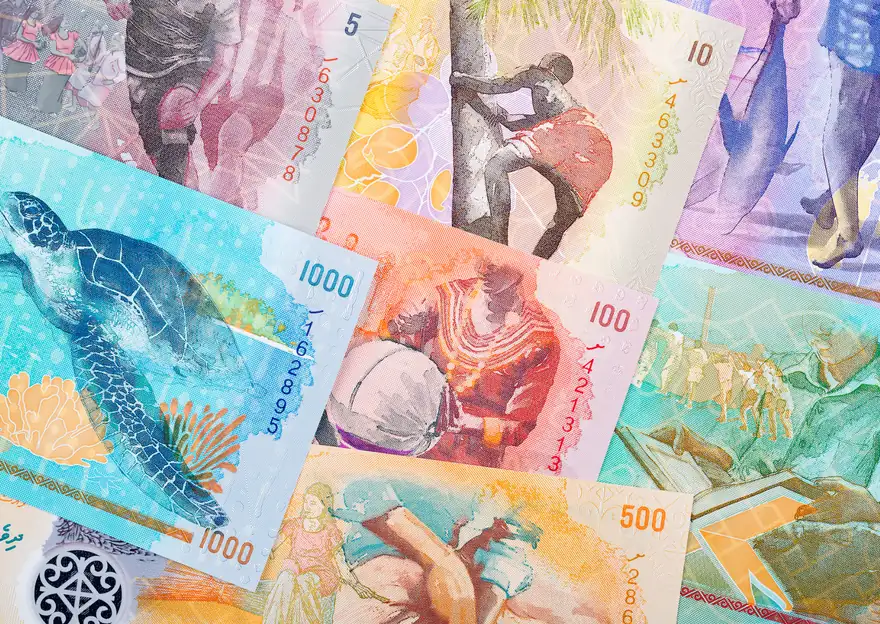
Which currency should I bring? US dollars are the most useful, mainly in small notes, plus a card. You mostly need rufiyaa on local islands for small purchases. Euros and pounds are not widely accepted.
Can I drink alcohol on a local island? No. Alcohol is illegal on inhabited islands, and guesthouses can’t serve it. It is available at licensed resorts and liveaboards, and you can’t bring it into the country.
What should I wear on a local island? Cover your shoulders and knees when you walk through the village, and keep swimwear for the designated bikini beach or your boat. Topless sunbathing is not allowed anywhere in the Maldives.
Does Ramadan affect a dive trip? It can, mostly on local islands, where daytime restaurants close and schedules change. Resorts largely carry on as usual. In 2027 Ramadan should run from around 8 February to around 8 March, so check with your operator if you travel then.
Where to go from here
If you’ve worked through the steps above, you now have a short list: what you want to see, when you can go, what kind of base suits you and which atolls to look at. That’s a solid starting point for talking to operators, and a lot fewer open tabs.
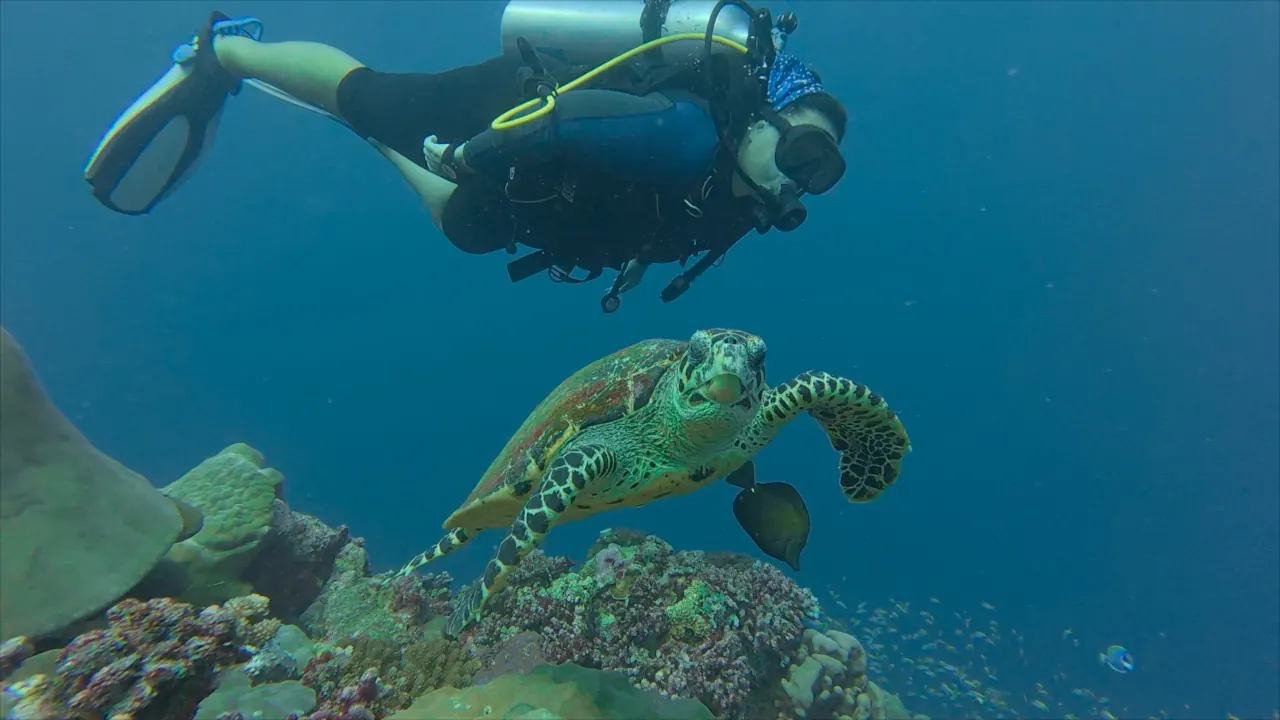
If you’d like to see one concrete way to put it together, you can read about our small-group trip to Rasdhoo and Fuvahmulah on the Maldives dive trip page. It’s one option among many, and it’s fine to use this guide to plan something different.
Sources
Want to see how this fits together in one trip? Take a look at our Maldives dive trip.